
Milwaukee Art Museum Announces Transfer of Ownership of Two David DrakeVessels to Artist’s Descendants
Museum has acquired one vessel directly from the family; second remains on long-term loan, keeping
both works on public view in Milwaukee.
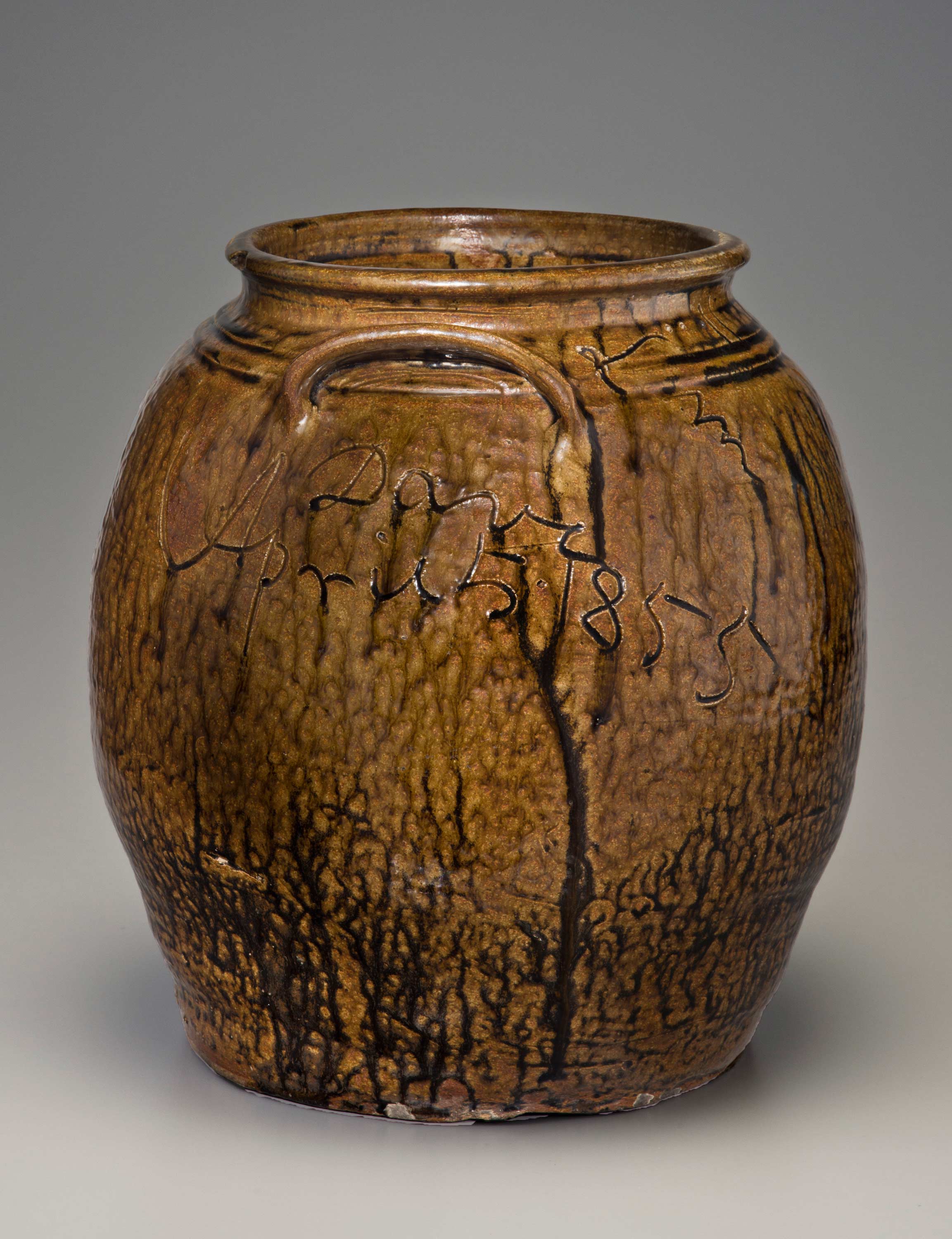
donor, M2026.51.
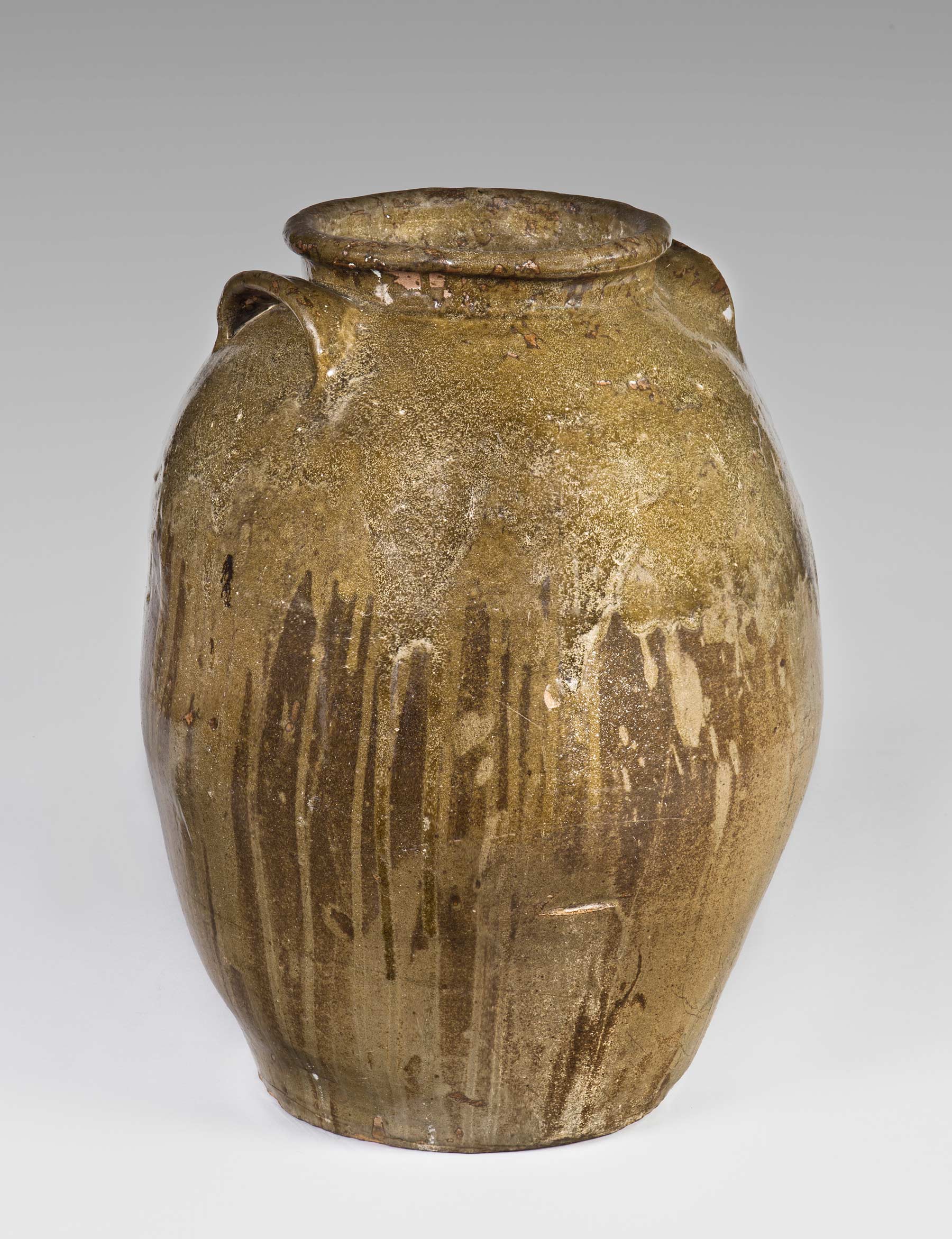
MILWAUKEE, Wis.— Sept. 24, 2026— The Milwaukee Art Museum announced today that ownership of two stoneware vessels by David Drake, the influential 19th-century potter and poet also known as Dave the Potter, has been transferred to his descendants under an agreement with the Dave the Potter Legacy Trust. The pots were gifted to the museum in 2026 by the Chipstone Foundation.
Following the transfers, the Museum acquired one of the vessels, a signed 1855 work, directly from the Trust. The second vessel, attributed to Drake, remains owned by his descendants and will continue to be displayed at the Milwaukee Art Museum through a long-term loan.
Both works will be on view at the Museum and accessible to visitors beginning September 30, 2026. The agreement recognizes both Drake’s artistic significance and the circumstances under which his work was created. Enslaved for most of his life, Drake could neither own nor profit from the vessels he made. Transferring ownership of both works to his descendants gives the family a direct role in determining the works’ future.
“For our family, this agreement is about more than the ownership of these two vessels. It is about recognizing David Drake as our ancestor whose voice, expertise, and creativity have endured for over 175 years,” said Yaba Baker, David Drake’s 4th great grandson. “We are grateful to the Milwaukee Art Museum for their partnership and ongoing stewardship of Dave’s work. We believe it is important that people continue to be inspired by his unwavering perseverance in life and the brilliance that it took to
create these amazing pieces of art. By keeping both works on view in Milwaukee, we know that his legacy and lineage will remain accessible to the public for years to come.”
“On behalf of David Drake’s descendants, I am so grateful to Kim Sajet and her team at the Milwaukee Art Museum, and the Chipstone Foundation, for their instrumental role in making this restitution possible,” said Drake family counsel and advisor George Fatheree III. “Museums have historically embraced principles of ethical restitution for Jewish and Indigenous communities, and foreign governments, but these principles have not been applied to artwork created by enslaved Americans
until David Drake. I am honored to advocate on behalf of Mr. Drake’s descendants in our ongoing effort to reclaim their ancestor’s prolific work and legacy and we invite other museums in possession of Mr. Drake’s artwork to engage with the family in this process as we move towards justice.”
Having Jar, 1855, and Jar, 1840–1850, on view at the Milwaukee Art Museum advances the Museum’s mission to share extraordinary works of art, reveal their compelling stories, and create meaningful experiences that grow and inspire the community. Visitors can continue to encounter Drake’s artistry, words, and history directly through the vessels themselves.
The Museum extends that experience to area students through docent-led tours that include The Dave Project, an installation currently on view at the Museum, as well as transportation assistance for eligible school groups. Created by the Chipstone Foundation, The Dave Project connects Drake’s achievements as a potter and poet with the history and material culture of the world in which he worked.
Dialogue has been central to The Dave Project since its beginnings in 2010. The project brought Drake’s story and poetry into schools, libraries, churches, community centers, and other locations throughout greater Milwaukee, where participants interpreted his inscriptions and created their own responses to his words and work.
That history of participation is informing the next phase of the work. The Milwaukee Art Museum, Dave the Potter Legacy Trust, the Chipstone Foundation, the African American Art Alliance, Milwaukee Public Schools Foundation, Bronzeville Center for the Arts, and America’s Black Holocaust Museum, along with additional community partners have engaged in an ongoing conversation about how Drake’s work and legacy might continue to create meaningful connections in Milwaukee. The partners hope to invite community members into that conversation and explore enduring questions concerning family, home, place, creativity, and belonging.
“For more than three decades, the African American Art Alliance has worked to strengthen the presence of Black artists and Black stories at the Milwaukee Art Museum,” said Tina Johnson, President of the African American Art Alliance, a support group at the Milwaukee Art Museum. “This agreement honors David Drake’s artistry, confronts his history with honesty, and ensures his legacy remains part of the story of American art.”
The Museum is approaching that next chapter with openness, recognizing that it should be shaped with the community. It hopes to listen, learn, and work alongside Drake’s descendants, its partners, and community members to develop future programs and experiences. Additional details will be shared as the conversation develops.
“We are grateful to the Chipstone Foundation for making this transfer possible and to David Drake’s descendants for choosing to keep these extraordinary works accessible in Milwaukee,” said Dr. Kim Sajet, Donna and Donald Baumgartner Director of the Milwaukee Art Museum. “Our responsibility is not simply to care for these vessels, but to share Drake’s artistry, words, and story with our visitors. This agreement also gives us an opportunity to listen and learn as his family, our partners, and members of
our community help shape what comes next.”
About David Drake
Born into slavery around 1801 in South Carolina’s Edgefield District, David Drake became a highly skilled potter working in one of the most important centers of stoneware production in the American South. Over a career spanning more than 50 years, he produced jars, jugs, bottles, and other vessels, including massive storage jars that were among the largest stoneware vessels produced in the region.
A typesetter under his first enslaver, Drake is particularly known for the words he inscribed into clay. Beginning in 1834, he dated and signed vessels and wrote original verses on them despite laws in South Carolina restricting literacy among enslaved people. His surviving inscriptions address subjects including work, faith, humor, family, and personal identity.
One of his most recognized inscriptions, written in 1857, reads:
I wonder where is all my relations
Friendship to all—and every nation
Following emancipation, the 1870 census recorded him as David Drake. He died sometime before 1880. Today, Drake’s surviving vessels are recognized for their technical accomplishment, monumental scale, and unusual combination of pottery and written language. His inscriptions also preserve something rare: David Drake’s own words, written directly onto the objects he made.
“David Drake created remarkable art under heinous circumstances he could not control,” said Myra Edwards, Executive Director of the Milwaukee Public Schools Foundation. “Yet, his distinctive poetry, creativity, and voice still speak, and all of his work holds the promise of informing young people about this part of our history, as well as how one man found a way to speak truth throughout his oppression.”
The Dave Project
In 2010, the Museum in partnership with the Chipstone Foundation presented To Speculate Darkly: Theaster Gates and Dave the Potter, an installation by artist Theaster Gates that responded to Drake’s life and work through sculpture, music, and film.
That work extended beyond the Museum through The Dave Project, which brought Drake’s story and poetry to schools, libraries, churches, community centers and other locations throughout greater Milwaukee. More than 500 Milwaukeeans participated in workshops examining Drake’s inscriptions and creating poems in response to his work.
About the Milwaukee Art Museum
The Milwaukee Art Museum is an essential destination for art and architecture and a vital cultural resource that connects visitors to dynamic art experiences and one another. Housed in iconic buildings by Santiago Calatrava, Eero Saarinen, and David Kahler on a 24-acre lakefront campus, the Museum is Wisconsin’s largest art institution and home to both broad and deep collections, with exceptional holdings in American painting, sculpture, and decorative arts; conceptual and minimalist art; prints and drawings; European art from the Renaissance through the nineteenth century; photography and new media; modern and contemporary design; folk and self-taught art; and twentieth-century Haitian art. A bold symbol of Milwaukee’s ambition and forward-thinking vision, the Museum is a place for community building, education, and celebration that fosters creativity, free speech, and critical discourse for audiences of all ages and backgrounds. For more information, visit mam.org.
About the Dave The Potter Legacy Trust
The Dave the Potter Legacy Trust LLC (the “Trust”) was formed to preserve Mr. Drake’s artistic, cultural and historic legacy, and ensure that his dignity and memory are honored through meaningful restitution and compensation to ensure his descendants are among the beneficiaries of his legacy. For more information, visit davethepotterfamily.org.
Media Contact
For more information or to request hi-res images, please contact:
Cortney Heimerl
Milwaukee Art Museum
communications@mam.org
414-940-0490